
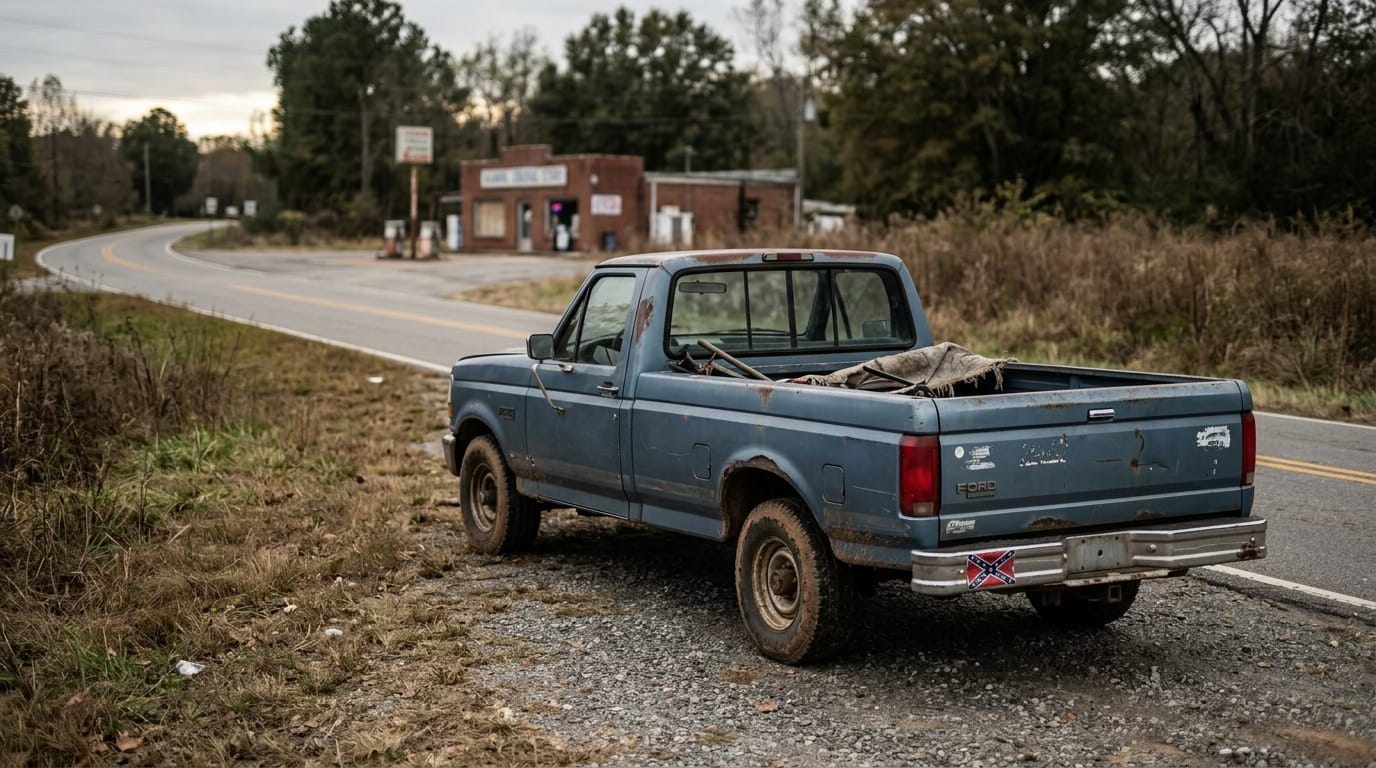
The Army
In the last days of August 1921, ten thousand men marched toward a mountain in southern West Virginia1. They meant to take it.
They were coal miners. About a quarter of them were Black, men who had come up out of the Deep South looking for wages. About a quarter were immigrants — Italians, Hungarians, Poles, men who had gotten off the boat and onto a train and ended up underground.2 The rest were white men born in those hills, the sons and grandsons of the people who had been there before the coal companies came. They carried whatever they had: army rifles, squirrel guns, pistols, a few belt-fed machine guns. At their throats, most had tied a red bandana, because in the smoke-filled timber it was the only way to tell your own.
Leading them was a twenty-eight-year-old named Bill Blizzard. He had joined the United Mine Workers at nineteen, during an earlier strike, following his mother, Sarah Blizzard, who organized the miners’ wives, into the fight.3 He had already spent nearly half his life fighting.
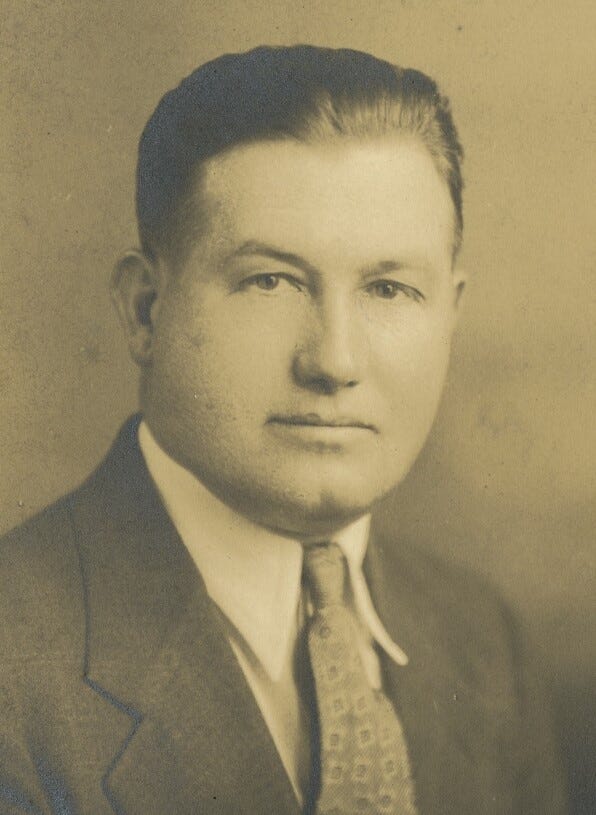
Many of the men had been in the trenches in France three years before. They had worn the uniform, carried the rifle, and come home from the war to the same towns they’d left. Towns the company owned, from your house and the store to the doctor and the scrip you were paid in instead of money, where the law was whatever the operators decided it was.
They marched with their union behind them. The men just over the other side of the mountain had none. In Logan and Mingo counties, the operators had kept it out by force, and miners who tried to organize lived under something close to martial law. Families suspected of union sympathies were evicted from company housing at gunpoint. In Mingo, whole communities were put out into tent colonies.4
That was what the ten thousand were marching toward: their own people, on the far side, who couldn’t get free to organize.
What lit the fuse was a killing. A pro-union police chief named Sid Hatfield had become a folk hero after a gun battle with company men in the town of Matewan. On August 1, on the courthouse steps in Welch, unarmed, his wife on his arm, Hatfield was shot to death by agents of the Baldwin-Felts Detective Agency5 — the private security firm the coal operators kept on retainer to break strikes, evict families, and make union men disappear. The men who killed him were tried and acquitted. To the miners it only confirmed what they already knew: there was no law up here the companies didn’t own.
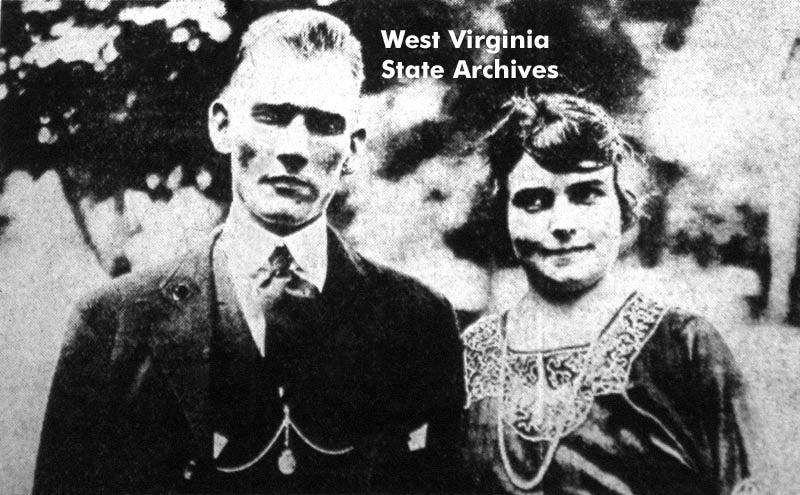
So they marched. And waiting for them on the high ground along Blair Mountain was Sheriff Don Chafin, whose salary was paid not by the county but by the Logan Coal Operators Association.6 He had dug in along the ridgeline with machine guns and several thousand armed men.
Ten thousand miners on one side. The operators’ line on the other. A mountain in between.
Thirty Years
Before the shooting starts, understand one thing: this army did not appear out of nowhere. You cannot conjure ten thousand people. You have to build the infrastructure that makes them possible. And that had taken thirty years.
It wasn’t just thirty years of union organizing, though there was that. The United Mine Workers had been trying to organize these coalfields since the 1890s, and the brutal Paint Creek and Cabin Creek strikes of 1912 and 19137 — the ones a teenage Bill Blizzard walked into — had established the first real locals in the region under the muzzles of machine guns mounted on armored trains.
But the union was only the visible top layer of something far more profound.
In the decades on either side of 1900, working people across the United States built one of the largest movements of self-organization in the country’s history, and they built it themselves, from below, for their own resilience and power. This was infrastructure raised up, not handed down as charity.
Mutual aid societies and sick-benefit funds. Fraternal lodges that paid out when a man was hurt or buried. Cooperative stores and commissaries that broke the company store’s monopoly. Building-and-loan associations that let working families own homes when no bank would lend to them.
Immigrant benevolent associations that met the boat and found the job. The Black church operating as bank, insurer, and hiring hall at once.
In coalfields and mill towns and city wards, people who had been handed nothing built the institutions that let them survive together what no one could survive alone.
This was precisely what the company town was engineered to prevent. The whole design — owning the house, the store, the doctor, the scrip — was built to keep a family dependent and alone. And it had failed because the miners had raised up their own architecture of belonging underneath it, and the companies had never managed to tear it all out despite the threats and evictions and assassinations.
You could see it the moment the march began. Volunteer nurses in UMW caps set up makeshift hospitals along the route. Townspeople donated food and ammunition as the column passed. Ten thousand people were fed, supplied, and cared for across miles of rugged mountain because the structures to feed and supply and care for them already existed, built to survive ordinary days.
In 1892, the steelworkers at Homestead had courage. They met the Pinkertons at the riverbank, fought them all day, and when it was over the union was simply gone because there was nothing underneath to catch it.
The twenty-nine years between Homestead and Blair Mountain are the difference between a riot and an army, between people who rise up once, and people who have woven the institutions to rise up together.
The Other Half
The mine operators had also learned something in those thirty years.
They had built their workforce to be divided. They recruited Black men up from the cotton South and immigrants straight off the docks and white boys down out of the hollers. They did it deliberately. Men who worshipped in different churches and cursed in different languages and carried different histories of grievance, the thinking went, would fight each other before they thought to fight their oppressor. Their differences were not an accident of the labor market. They were a management tool.
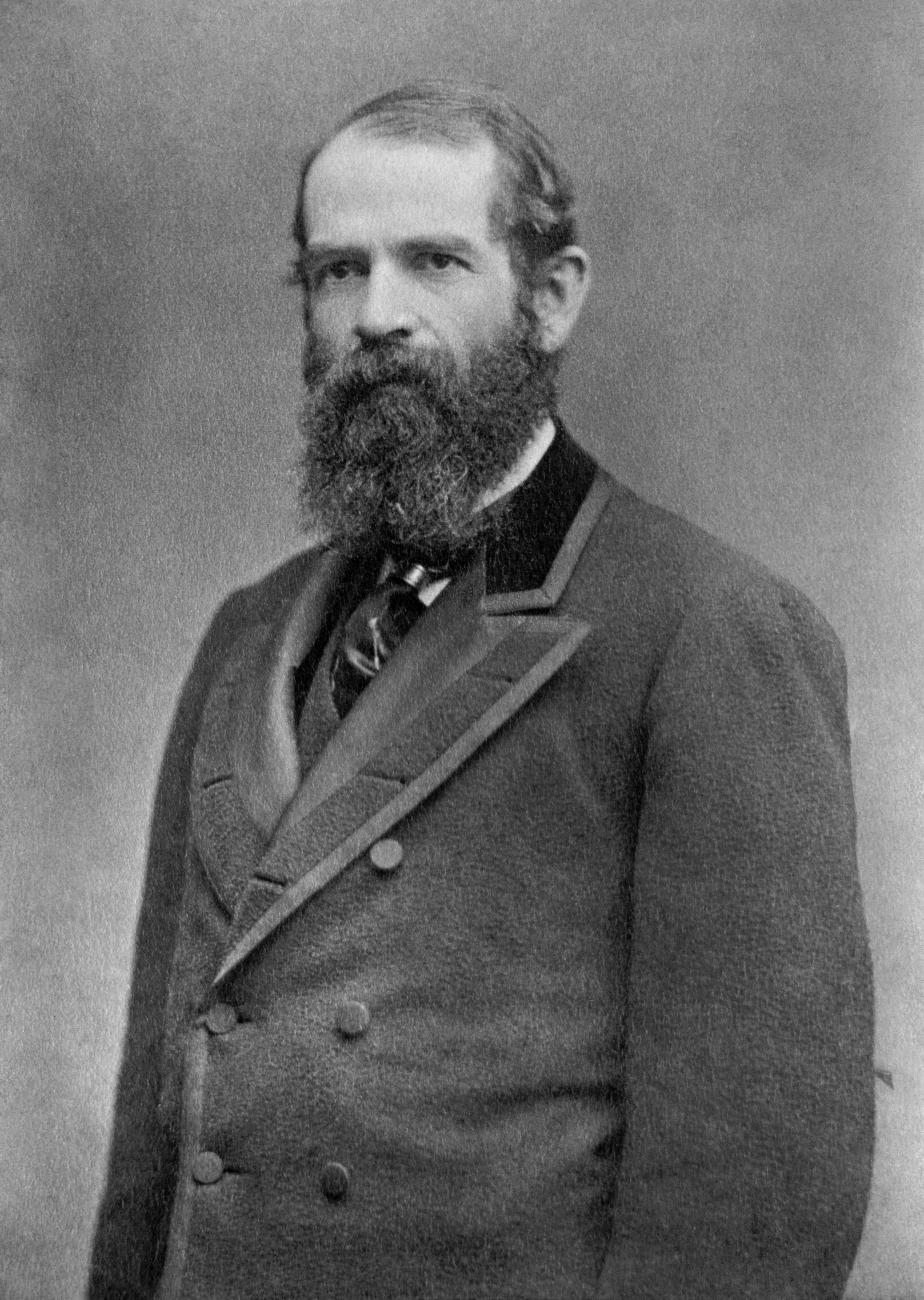
There is a line, attributed to the railroad baron Jay Gould. It’s almost certainly apocryphal, surfacing first in 1891 in the mouth of one of his political enemies, but it circulated for a hundred years because it explained the strategy exactly: “I can hire one half of the working class to kill the other half.”8
The Weave
That strategy did not work on Blair Mountain.
The United Mine Workers did the one thing almost no other institution in 1921 America was willing to do: it took Black men and immigrants in as full members, seated them in the locals, and put them in leadership. The early organizing committees were built mixed on purpose — a Black officer, a white American, an Italian — so that no man could tell himself the union was someone else’s. In a country that was segregating its lunch counters and its army, the union hall in a West Virginia coal camp was one of the few rooms where a Black miner and a white miner and an Italian miner sat as equals.
A white miner named Fred Ball tried to describe it to the union journal. He wrote: “I call it a darn solid mass of different colors and tribes, blended together, woven, bound, interlocked, tongued and grooved and glued together in one body.”9
They had taken the thing that was designed to keep them weak — their differences — and made it into something that made them strong.
The Name
They called themselves the Redneck Army.
The red bandanas were the practical part in the chaos of battle in deep woods. The Black miners wore them. The Italians wore them. The hill men wore them. Ten thousand people moving up a mountain under fire, and the way you knew a man was with you was the red cloth at his neck.
Of course the word was already old by 1921, and already meant as an insult: the planters down in Mississippi had thrown it at poor sunburned farmers a generation before.10 But on that mountain, that August, ten thousand men picked it up and wore it like a flag.
It is the proudest that word has ever been.
The Flag
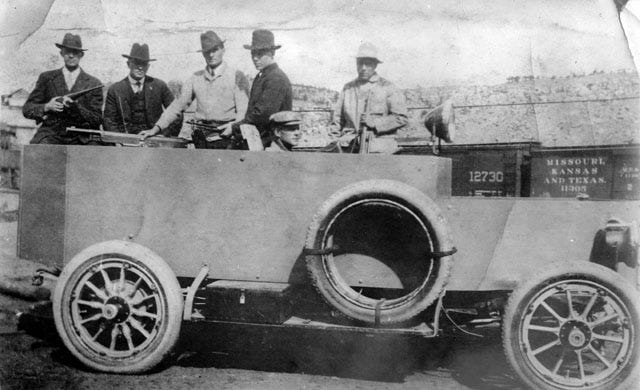
The battle ran for the better part of a week — into the first days of September — along a front that stretched some ten miles through the ridges above Blair.11
Sheriff Chafin had the high ground — deputies and mine guards and hired gunmen and townsmen sworn in for the week, behind machine guns sighted down the hollers. The miners came up at them through the laurel and the timber, in the sticky heat, and for days the two sides traded fire across the ridgelines until the woods were splintered and smoking.
Chafin had also hired airplanes. They flew out over the miners’ lines and dropped homemade bombs — pipe and shrapnel, and gas shells left over from the war.12 Private planes, dropping explosives and gas on American workers, on the order of a county sheriff on a coal company’s payroll. The miners fired back at them with their rifles, and kept climbing. In places they pushed close enough to the crest to hear the men on the other side. For days it was touch and go, but the miners kept slowly advancing.
Then President Harding sent the United States Army.
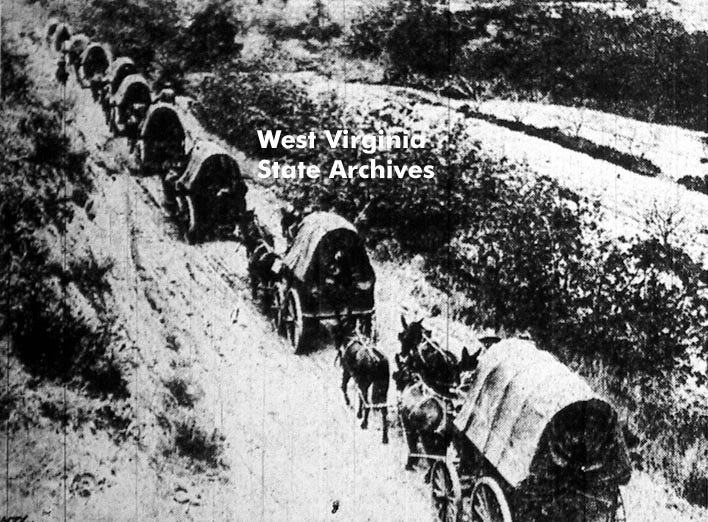
The federal troops came in by rail. Some two thousand regulars under Brigadier General Bandholtz13, with the Army’s own airplanes flying reconnaissance overhead. They came up the mountain in good order, under the flag, and the command went out to the miners to lay down their guns and go home.
A great many of the men on that mountain were veterans. They had worn the very uniform that was now climbing the slope toward them. They had carried a rifle for this country, for the dream of freedom, then carried it home to the company town and the scrip, and taken it up once more to march on Blair Mountain — and now the country itself stood in front of them on the mountain, in olive drab.
The miners would not fire on it.
They would shoot at Chafin’s deputies all day. They would shoot at the operators’ planes. But when the federal soldiers came up the slopes, the miners broke down their guns, or handed them over, or buried them in the leaves where the archaeologists would find them a hundred years later.14 Then they went home.
By accounts of the day, some of the veterans went toward the soldiers rather than away from them, to say they had worn that uniform too, that they would not fight men they had stood beside in France. The very thing that had made them an army — the belief that they belonged to something larger than themselves, that the promise of America was theirs too — was the exact thing that would not let them aim a rifle at its flag.
They had loved it enough to bleed for it in France. They would not lift a hand against it in West Virginia.
That is the American experiment in one image — its promise and its peril at once.
The promise: these men, immigrants and the sons of sharecroppers and hill farmers, believed the flag covered them too — that they’d earned a stake in the country with their own blood.
The peril: a country can be quietly handed to the people who own it and turned against the citizens who believe in it most, and their faith is the very thing that leaves them defenseless.
What followed, in those hills, was less a defeat than an erasure. Hundreds of miners were indicted. Some were charged with treason against the state of West Virginia. Bill Blizzard was tried for it, and acquitted15 — but it hardly mattered, because the union was already gone from the hills. In southern West Virginia, United Mine Workers membership fell from roughly fifty thousand in 1920 to about six hundred by the end of the decade. The mountain went quiet.
No one is sure how many men died on Blair Mountain., since the miners carried their own dead down and buried them at home. The estimates run from a couple dozen to more than a hundred.16
The War
The union was gone from those hills. But a union is only the visible top layer of solidarity, and the solidarity did not die at Blair Mountain.
That was what the men who buried their rifles had, and the steelworkers at Homestead never did. Homestead’s loss was final because there was nothing underneath it.
Blair Mountain’s became a catalyst because the fabric underneath it did not stop at the West Virginia line. It ran the length of the country — the locals and the lodges, the labor councils and the mutual aid societies, the immigrant halls and the Black churches and the cooperative stores, in every coalfield and mill town and city ward where working people had spent a generation building their own power.
The Army could clear a mountain. It could not clear the collective power of the American people. In union halls a thousand miles from Logan County, people had watched what the country did at Blair Mountain — private armies, bought sheriffs, bombs dropped on workers, federal troops sent in on the side of the coal — and they did not forget it. They carried the memory outward and made it a cause.
That web is what turned a lost battle into a won war. The fight moved off the ridgeline and toward the law, carried there over more than a decade by the slow, national, interlocking pressure of organized people who had decided this would not stand.
When Senator Robert Wagner rose to introduce the National Labor Relations Act in 1935, he said this:
“The national labor relations bill which I now propose is novel neither in philosophy nor in content. It creates no new substantive rights. It merely provides that employees, if they desire to do so, shall be free to organize for their mutual protection or benefit.”17
That sentence is the inheritance of Blair Mountain. The law created no new rights. It put the power of the state behind something workers had already built: their own institutions, built over forty years, and repeatedly destroyed with the help of their own government. Frances Perkins, Roosevelt’s Secretary of Labor, put the need plainly: something had to protect a man from being fired simply for belonging to a union, and guarantee his right to bargain through people of his own choosing.

When the New Deal opened the door, John L. Lewis led the United Mine Workers back into southern West Virginia. National union membership went from 3.8 million in 1935 to 12.6 million by 1945.18 The men who had marched on Blair Mountain lived to see it. They had bled in 1921 but their sons collected on that payment in 1935.
That is how the American deal is supposed to work — you take the risk and do the work, and if not you, then your children get a better life.
The Better Class of People
For thirty years, the fabric held: locals, community banks, mutual insurers, co-ops, the lodges and the halls. Solidarity stopped being an act of will and became the water people swam in.
The story we already know is that Richard Nixon ran a Southern strategy after LBJ signed the Civil Rights Act in 1964. Republicans, who had fought and won the Civil War to end slavery, embraced racial grievance and won the South as a prize. And that story is largely true.
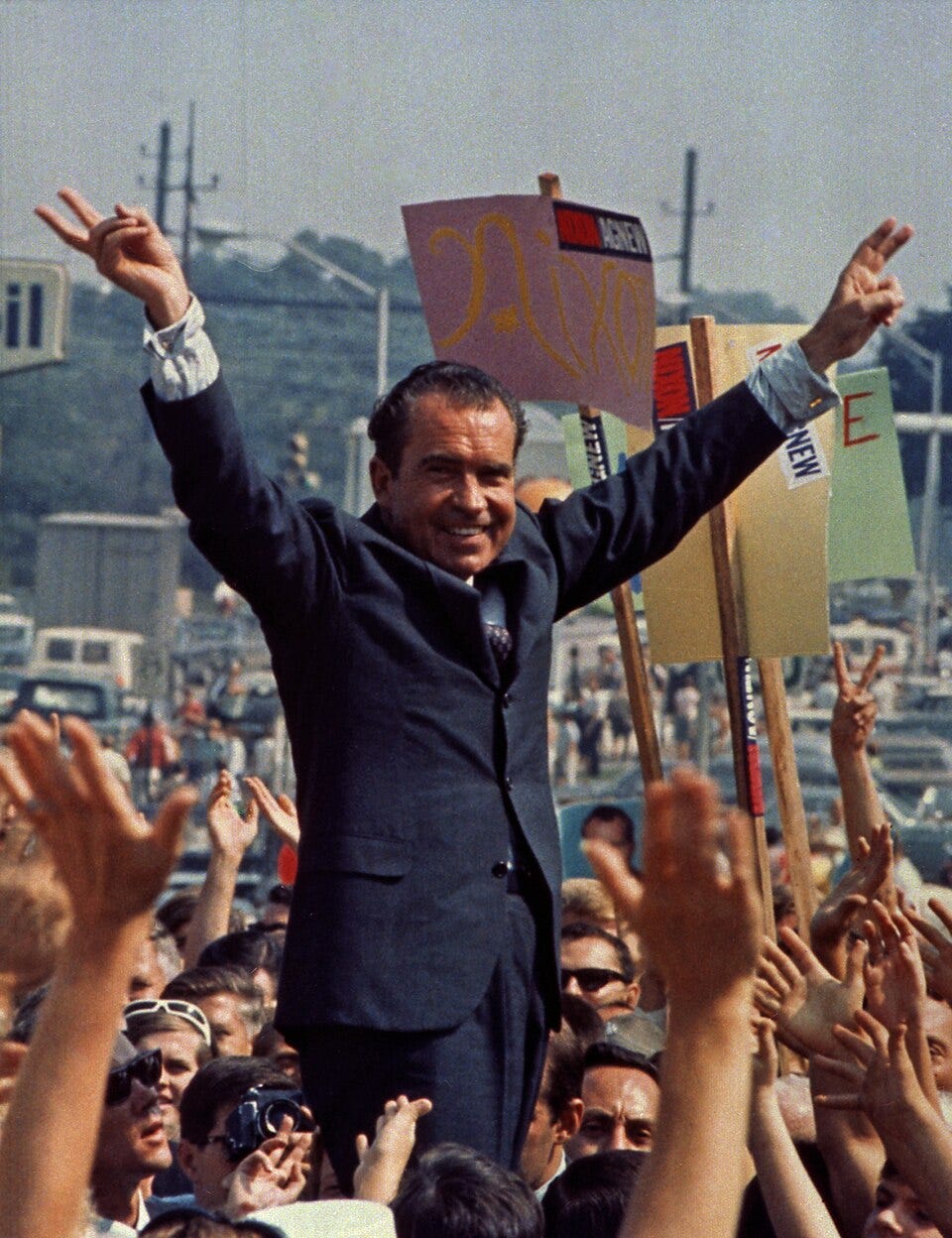
But the part hidden in that story is the timing. It took thirty years. The South did not become a reliable Republican bloc until 1994 — Gingrich, the Contract with America, and the first Republican House majority in forty years.19 Thirty years is a migration, not a flip. And in those thirty years, both parties evolved.
I want to pause and be careful here, because this is the part that’s easy to turn into an accusation, and it isn’t meant to be. The Democratic Leadership Council formed in 1985.20 Its argument, made in good faith by people watching their party lose, was that the Democrats had tied themselves too tightly to labor and the poor and needed to win back business and the suburbs.
NAFTA passed under a Democratic president.21 Financial deregulation and bank consolidation accelerated under one. The Blue Cross plans demutualized under one, shedding their member-owned roots to consolidate into for-profit health insurance giants like Anthem (now Elevance).22
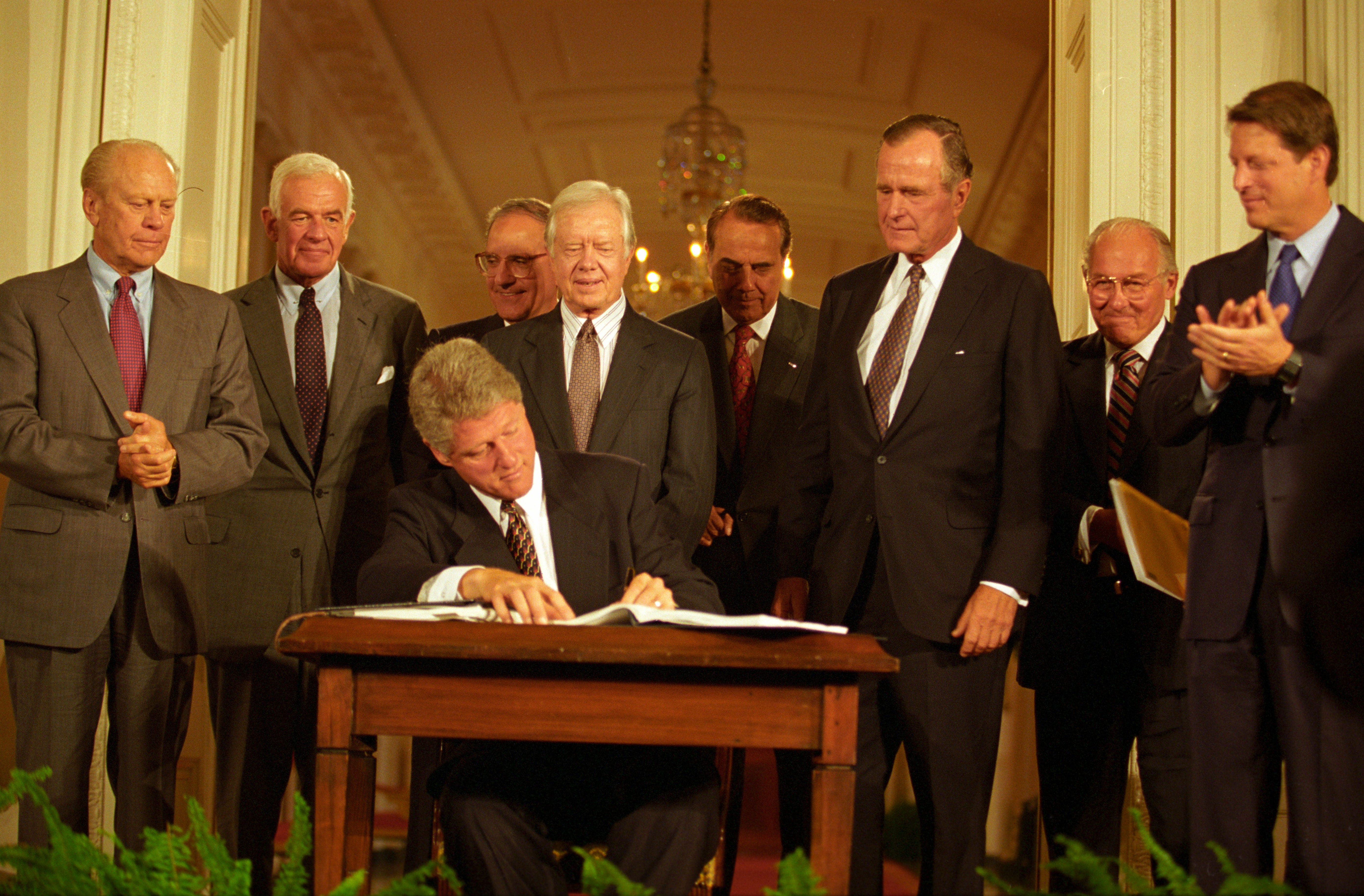
Union membership fell from about a third of the workforce to barely one in ten, and the Democratic Party’s reliance on it fell with it.23 There was no announced divorce. The party just gradually spent more time on Wall Street and less in the union hall.
When structural solidarity drains out of a society, something rushes in to fill the space, because people still need to know who they are and who they’re with. What rushed in was identity, of every kind. Race has always been in the water in America. But also geography, schooling, religion. Eventually what you eat, what you drive, what you watch. The fault lines multiplied because there was nothing holding people together across them anymore.
We can watch the whole thing happen inside a single word.
In Mississippi in 1891, the wealthy planters who ran the state’s Democratic Party had a name for the poor white farmers who were organizing against the railroads and the banks. They called them rednecks. The farmers took the word, printed it in the local paper in quotation marks, and wore it to the polls. Thirty years later, the miners did the same thing on Blair Mountain. Twice, the people the word was thrown at had caught it and worn it as a badge.
And then, in the span of one generation, it was taken back from them again.
In the 1960s, a national television audience that had never set foot in Appalachia learned to laugh at the rural poor, one evening at a time: The Beverly Hillbillies, Green Acres, and Hee Haw.24
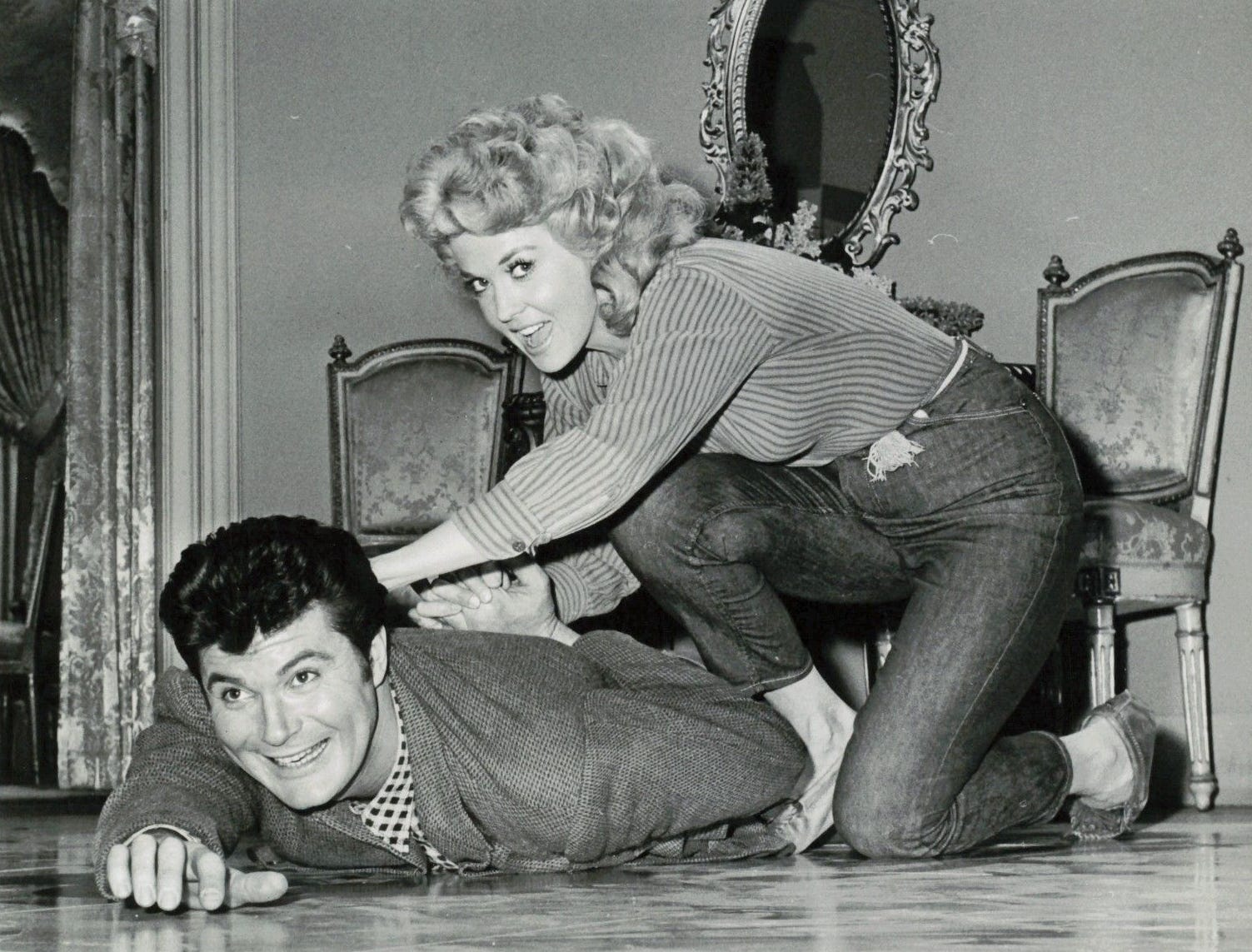
And then in 1970 and 1971, CBS canceled all of them at once, in what the industry came to call “the rural purge.”25 The ratings weren’t the problem. The network decided it wanted a different viewer — younger, more urban, college-educated, the demographic the advertisers actually paid for, because the rural audience spent a fraction of what the city audience did. The country people watched their own image get cancelled and replaced, in the national imagination, by the punchline the network had spent a decade rehearsing.
Chapman and Kipfer’s Dictionary of American Slang officially finished the job. Redneck: a bigoted and conventional person, a loutish ultra-conservative.26 The badge had become a diagnosis. The historian C. Vann Woodward observed that redneck had become “the only opprobrious epithet for an ethnic minority still permitted in polite company.27”
Polite company. Let’s hold that phrase for a second. It means: among the better class of people.
The New Baldwin-Felts
The coal operators had to work to keep men divided. They paid the Baldwin-Felts agency. They bought Don Chafin. They recruited across three continents to assemble a workforce that couldn’t talk to itself. It was expensive, and it was clumsy, and in the end it failed.
The men found each other anyway, in the lodges and the locals and under the red cloth at their throats.
What divides us now is social media, and it doesn’t have to work nearly that hard.
It needs no barbed wire, no sniper towers, no payroll of detectives. It needs only your attention, which you hand over for free. It reads every fault line you have — every identity, every grievance, every tribal tell — and it shows you the version of the world most likely to keep you enraged and scrolling. It is frictionless. It is automatic. And we opt in by the hour, because it always makes us, whichever us we are in a given moment, feel like the virtuous ones, and because the outrage feels, while it lasts, like meaning, like purpose.
Here is the difference the coal operators could never have imagined. For them, division was a cost of doing business — something they paid for, grudgingly, to protect their margins. For the platforms, division is the business. Every enraged click is revenue. Every fight between you and the other side is engagement, and engagement is the product.
The people who profit now from keeping Americans at each other’s throats are not a detective agency on a coal company’s books. They are among the most profitable companies in the history of the world, and we are not their captives. We are their volunteer army.
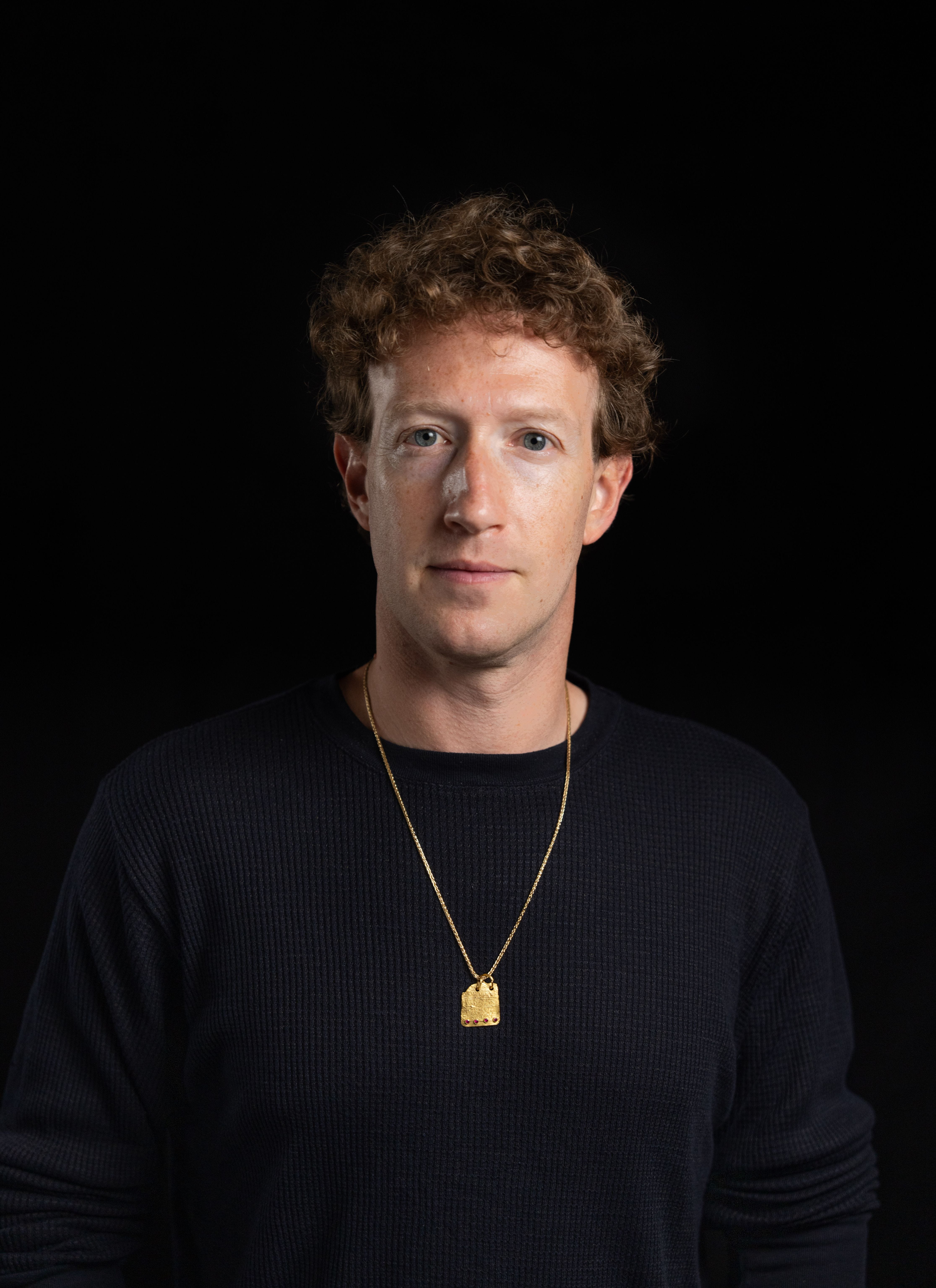
The coal operators would have wept with envy.
Polite Company
By now you’ve been reading along, and somewhere back there you located “the problem.” It’s the algorithm. It’s the platforms. It’s the other side — the people who fall for it, who share the furious thing, who can’t see what’s being done to them.
That’s the trap door we all fall through.
Because the machine does not run on the algorithm alone. It runs on contempt, and the contempt has to come from somewhere. It comes from me. It comes from you. From the small, permitted, nearly invisible disdain we carry for the people on the far side of whatever fault line we happen to live on: for the redneck, for the elite, for whatever the word is in your home.
There is a good chance you have used the word redneck. Not cruelly. Lightly. The way you’re allowed to, at dinner, in the group chat, in the knowing aside everyone at the table understands without your having to finish it. It is, as the historian said, the only one still permitted in polite company. And you used it, most likely, never knowing it was a name ten thousand men once tied at their throats and carried into gunfire because it meant they belonged to each other, across race and religion and language.
You used it the way the planters meant it in 1891. For a moment, you were the better class of people.
The fault line does not only run between us. It runs through us. The contempt is not just something done to you by a machine. It is something you do, and the machine finds it and feeds it and sells it back to you. That is the trapdoor, and there was never a version of this story in which you were merely a viewer.
Epilogue: Long Violent History
In September 2020, at the end of a long summer of national reckoning, a Kentucky musician named Tyler Childers did a strange and risky thing.28 He released a record and recorded a plain, unglamorous video to go with it, aimed squarely at his own audience — white, rural, Southern, a lot of them gun owners. He invoked Blair Mountain by name. And he asked them to imagine that the things being done to others were being done to them and theirs instead — and then asked whether they wouldn’t, in that case, want the whole world to rise up on their behalf.
He was speaking to his own people, the way only one of them can.
The video has something like 1.9 million views.29 And then, more or less, nothing. Barely a ripple, in an information ocean engineered to reward the opposite — to reward the fight, the dunk, the fault line widened one more inch.
Solidarity does not perform. It does not scale. It is bad for engagement.
What he was trying to do, one man with a fiddle, was rebuild by hand a single thread of the fabric that thirty years had pulled apart. And it is beautiful. I cannot watch it without tearing up. And it is also a measurement of how much we have lost.
Solidarity used to be the water people swam in. Now it takes this kind of lonely individual heroism from an artist just to imagine it out loud.
“Love each other,” he said. “No exceptions.”
Suggested Sources
On dividing-and-conquering as deliberate management strategy
David Brody, Workers in Industrial America (1980); Herbert Hill, “Race, Ethnicity and Organized Labor,” Journal of Intergroup Relations (1987); Corbin, Life, Work, and Rebellion.
On mutual aid infrastructure: lodges, sick-benefit funds, building-and-loan, Black church
Theda Skocpol, Protecting Soldiers and Mothers (1992); W.E.B. Du Bois, Economic Co-Operation Among Negro Americans (1907); Steven Leikin, The Practical Utopians (2004); David Beito, From Mutual Aid to the Welfare State (2000).
On homestead: no underlying infrastructure beneath the union
Paul Krause, The Battle for Homestead, 1880–1892 (1992).
On the NLRA as inheritance of labor movement pressure
Melvyn Dubofsky, The State and Labor in Modern America (1994); Irving Bernstein, Turbulent Years (1969).
On social media engagement optimization as division engine
Shoshana Zuboff, The Age of Surveillance Capitalism (2019); Frances Haugen, Senate Commerce Committee testimony (October 5, 2021); MIT Media Lab, “The spread of true and false news online,” Science (2018).
On identifying filling the space left by structural solidarity
Robert Putnam, Bowling Alone (2000); Richard Sennett, The Corrosion of Character (1998); Arlie Hochschild, Strangers in Their Own Land (2016).
ional: Gould’s 1891 original said “farmers,” not “working class” — already hedged as apocryphal.)
The figure of approximately 10,000 miners is the standard estimate; some accounts cite as many as 13,000. Robert Shogan, The Battle of Blair Mountain (2004); Lon Savage, Thunder in the Mountains (1990).
Demographic breakdown of the march force. Shogan, The Battle of Blair Mountain; David Corbin, Life, Work, and Rebellion in the Coal Fields (1981).
Blizzard was born December 14, 1892, making him 28 at the time of the march. His mother Sarah’s organizing role among miners’ wives is documented in Corbin.
The Mingo County tent colonies became a flashpoint of what the press called the “Mingo War.” The state imposed martial law in Mingo in May 1921. Shogan; Savage.
Hatfield and his deputy Ed Chambers were shot on the McDowell County Courthouse steps in Welch on August 1, 1921. Three Baldwin-Felts agents were charged and acquitted. Shogan; Savage.
Chafin’s private salary arrangement with the Logan Coal Operators Association is well-documented. Shogan, ch. 3; Savage.
The Paint Creek–Cabin Creek strike began April 1912, lasted into 1913, and involved two declarations of martial law, the imprisonment of Mother Jones, and the deployment of a train mounted with a machine gun (“Bull Moose Special”) against strikers. Corbin; John Alexander Williams, West Virginia: A History (1976).
The attribution to Gould is almost certainly apocryphal. The line appears in print as early as 1891, placed in Gould’s mouth by a political opponent; no contemporaneous source records Gould saying it. The 1891 original used “farmers,” not “working class.” Matthew Josephson, The Robber Barons (1934); Barry Popik’s historical quotation research for provenance.
Joe William Trotter, Coal, Class, and Color: Blacks in Southern West Virginia, 1915–32 (pp. 109–110).
The earliest documented use of redneck as a political epithet applied to poor white farmers appears in the Pontotoc, Mississippi Democrat in 1891, used by the Democratic establishment against white farmers organizing with the Populist movement.
Shogan; Savage.
This was the first domestic deployment of aircraft against American civilians. Chafin contracted at least two private planes; the gas ordnance was reportedly World War I surplus. Shogan, ch. 12; Savage.
General Harry H. Bandholtz commanded approximately 2,100 federal troops.
The Blair Mountain battlefield is on the National Register of Historic Places. At least one archaeological survey has been conducted.
Blizzard was tried for treason against the state of West Virginia and acquitted in May 1922 in Jefferson County. Shogan; Savage.
No official casualty count was ever established; the miners removed their dead from the field and buried them at home.
Congressional Record, 74th Congress, 1st Session (1935).
Bureau of Labor Statistics historical series; Leo Troy, “Trade Union Membership, 1897–1962,” NBER (1965).
Republicans gained 54 seats in the 1994 midterms to win the House for the first time since 1954. The South had started voted Republican at the Presidential level earlier, but many southern State Houses remained under Democratic control after 1994. Office of the Clerk, U.S. House of Representatives.
The DLC was founded in February 1985 by Dick Gephardt, Sam Nunn, Al Gore, and others following Mondale’s 49-state loss to Reagan. Kenneth Baer, Reinventing Democrats (2000).
NAFTA was signed by President Clinton on December 8, 1993, and took effect January 1, 1994.
Anthem Inc. (now Elevance Health) went public in November 2001. The Blue Cross Blue Shield demutualization wave ran through the 1990s and early 2000s.
Bureau of Labor Statistics, Union Members Summary (historical series).
The Beverly Hillbillies premiered September 26, 1962; Green Acres September 15, 1965; Hee Haw June 15, 1969. All on CBS.
In January 1971, CBS president Robert Wood canceled The Beverly Hillbillies, Green Acres, Petticoat Junction, and other rural-themed shows despite strong ratings, to attract younger urban demographics. Hee Haw was dropped by CBS but survived in first-run syndication until 1992. David Marc, Demographic Vistas (1984); Gerard Jones, Honey I’m Home! (1992).
Harold Wentworth and Stuart Berg Flexner, Dictionary of American Slang.
C. Vann Woodward, New York Times Book Review, February 5, 1989.
Long Violent History (RCA Nashville) was released September 18, 2020.
1.5m views on YouTube as of June 3, 2026.